From Vibe to Vision : Translating a Concept Into a Program With a Point of View
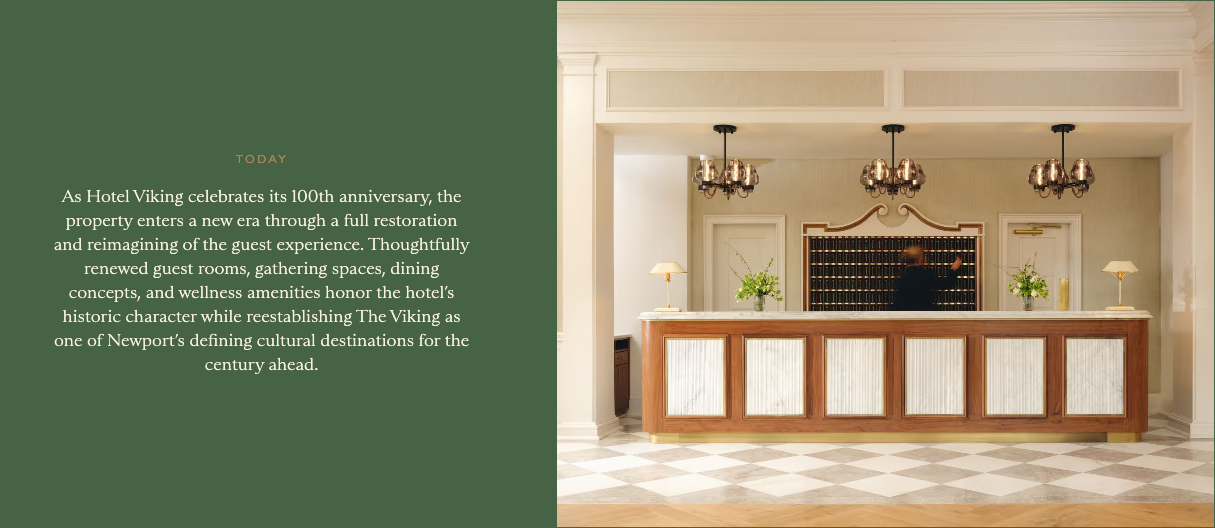
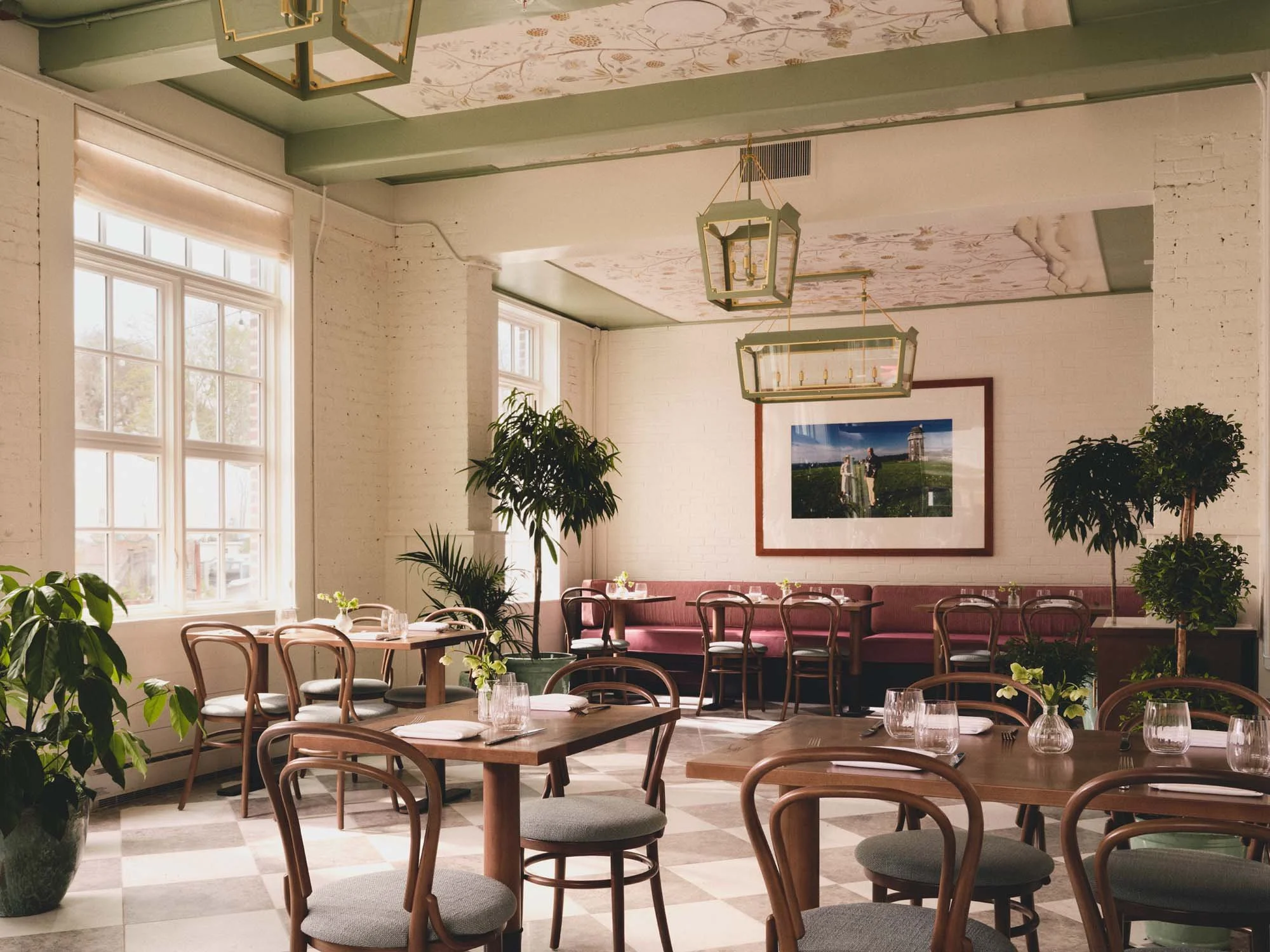
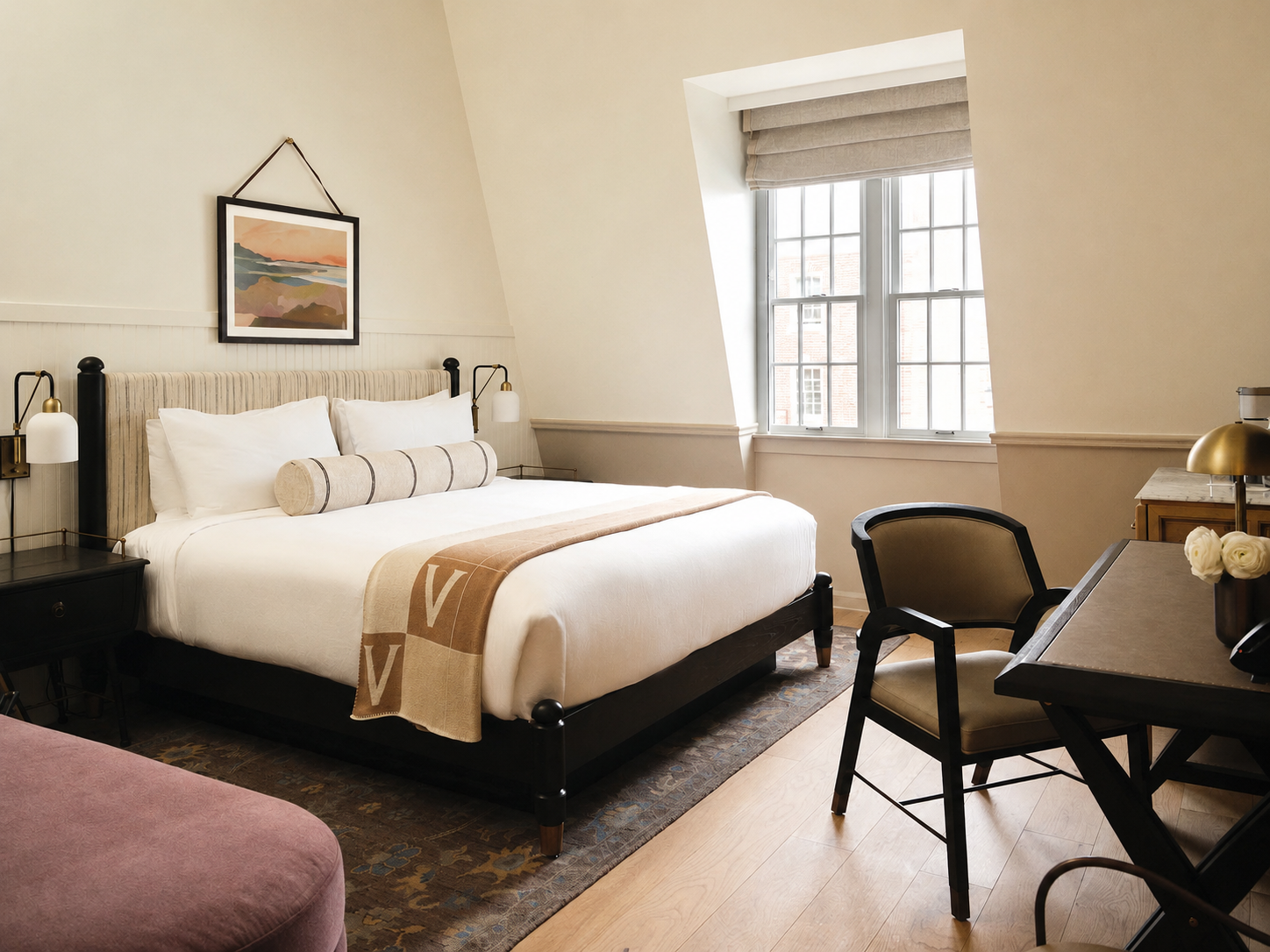
The Viking Hotel : The 208-room hotel, which opened in Newport's historic Bellevue Avenue district in 1926, celebrated its 100th anniversary this year and we had the opportunity to curate the artwork both in the Guest rooms and Public areas for this historic refresh.
A moodboard tells you what a space should feel like. Art has to figure out how to make that feeling its own.
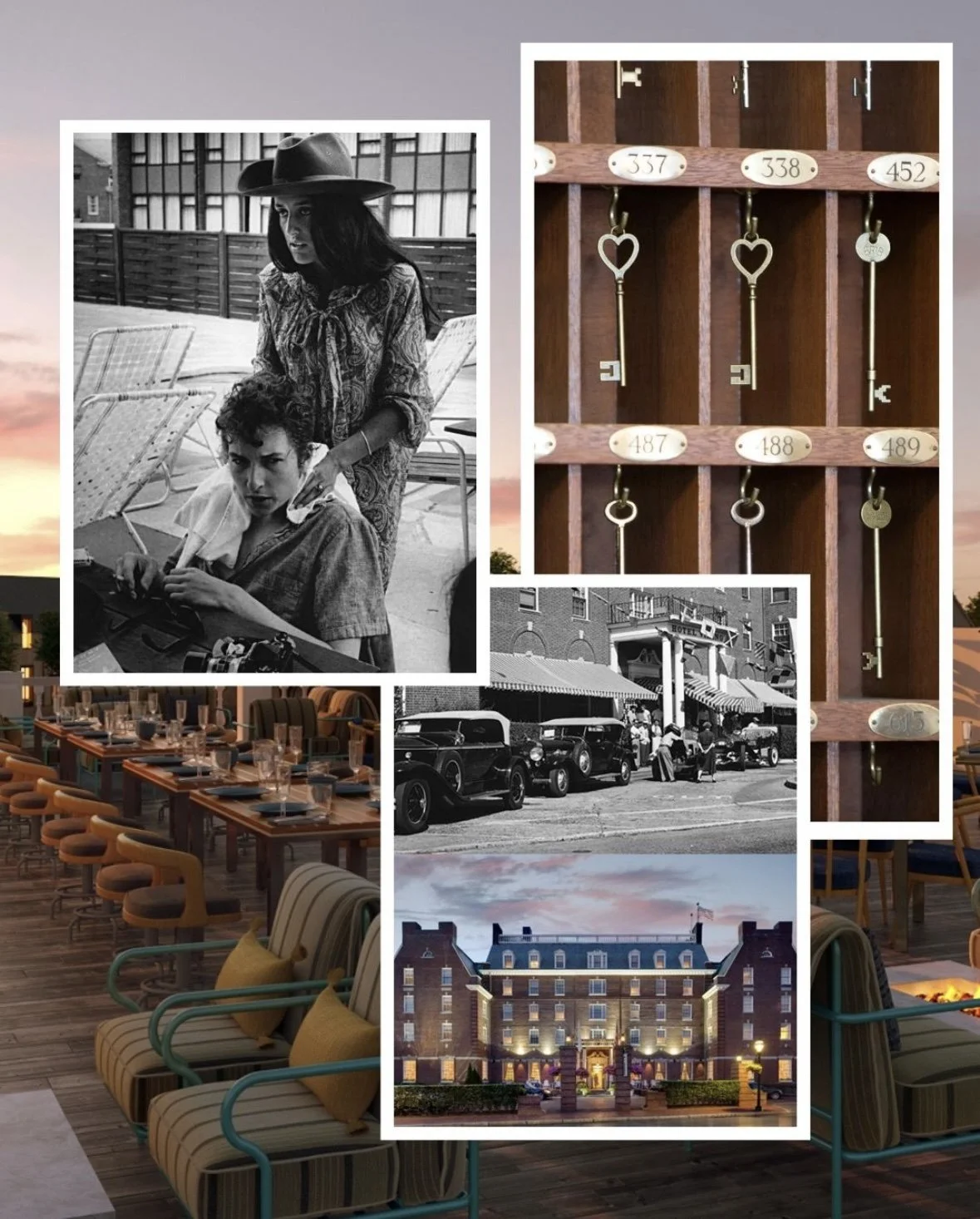
Hotels increasingly have access to the same references, the same artists, the same furniture suppliers, the same Instagram feeds, and the same design vocabulary. A designer can create an incredibly beautiful moodboard and still end up with a space that feels strangely familiar.
The difference between a beautiful interior and a memorable one often comes down to how successfully the original inspiration is translated into something unique to that location.
That translation is where our work begins.
When we begin a hospitality project, we’re often handed a moodboard or design deck created by the interior designer. It might contain architectural references, furniture, materials, colors, lighting, historical imagery, landscape photography, and a few words describing the intended atmosphere.
For example we might be given a deck that highlights the brand pillars as being “Rich Heritage, Modern Classic, and Relaxed Preppy” and then a floor plan.
That means we don't immediately start searching for “blue abstract painting” or “Rhode Island artist.” We go back into the references.
We look at the exact architectural inspirations. We search historical imagery, materials, landscapes, fashion, music, graphic design, objects, and cultural references connected to the world the designer is creating. We ask ourselves: What else exists inside this visual universe?
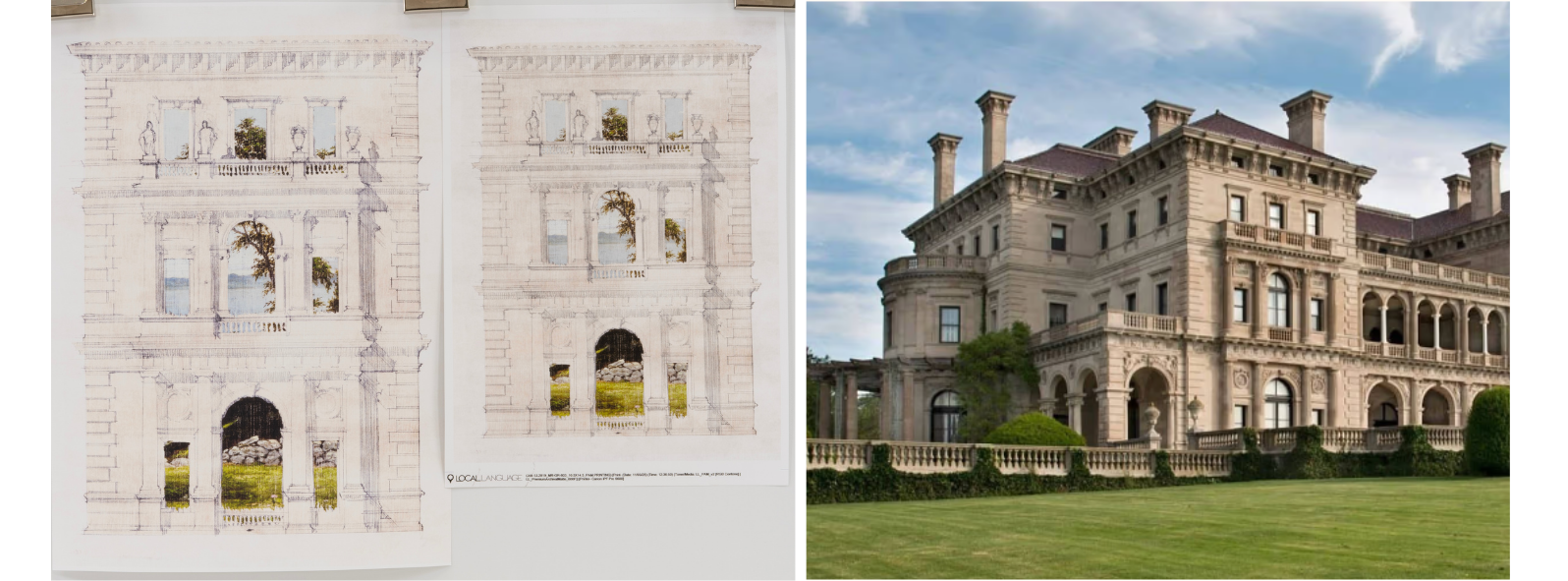
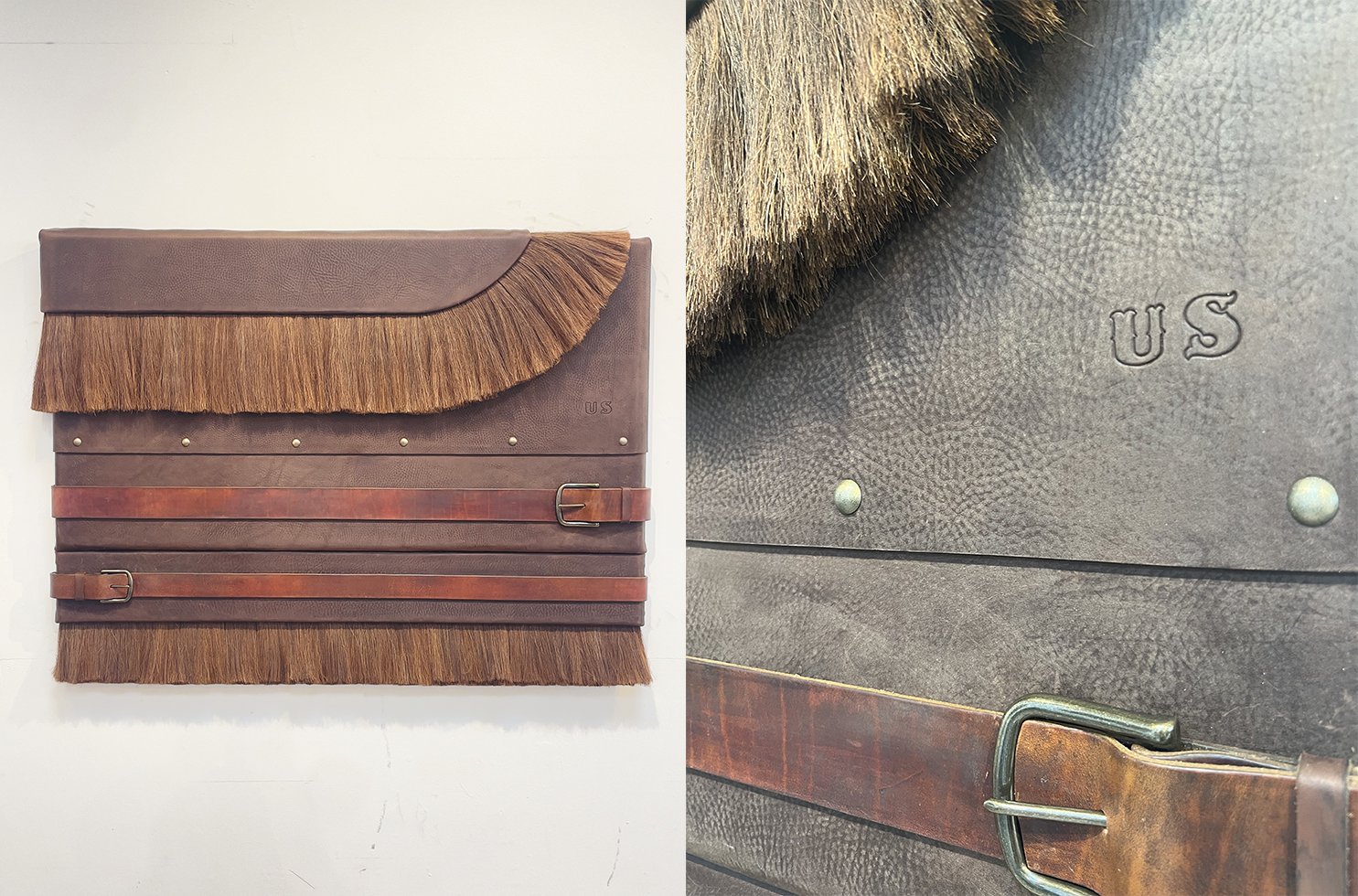
Shown on the left is a piece created by our in-house artists, drawing inspiration from the grand estates that shaped Newport’s Gilded Age legacy and the distinctive coastal landscape of Rhode Island.
This is often when we expand beyond the original moodboard and create our own. It gives us the opportunity to understand the space and its narrative more deeply.
What should the art's color palette be? Should it echo the interiors or introduce contrast? Should it be heavily textured or almost completely flat? Does the space call for softness or structure? Should the artwork feel historical, contemporary, collected, playful, sophisticated, or somewhere in between?
The “vibe” starts becoming an art direction.
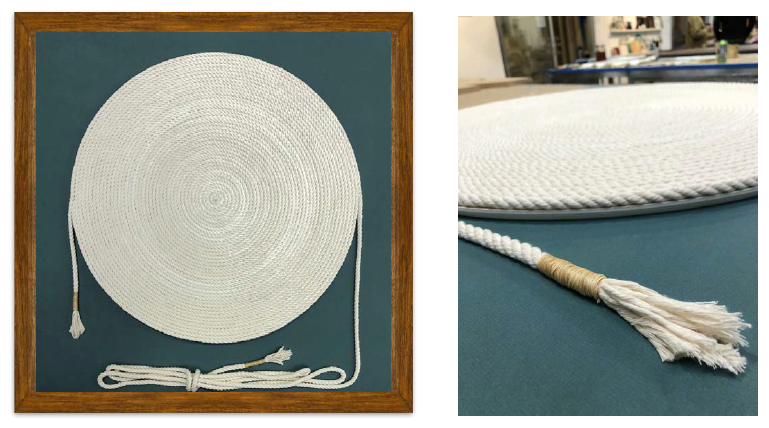
Sailing rope in a shadow box referencing Rhode islands deeply rooted maritime heritage. The state's sailing culture blends high-society Gilded Age history, legendary international racing, and cutting-edge marine engineering
Finding the Artist, Not Just the Aesthetic
If a hotel has a coastal concept, the obvious answer might be to look for paintings of boats, beaches, or waves. But that doesn't necessarily make the art feel connected to the concept in a meaningful way.
Instead, we might look for an artist whose work understands the light, fluidity, movement, or atmosphere of water.
The difference is subtle, but it changes everything.
We're not asking an artist's work to illustrate the interior designer's concept. We're looking for artists whose existing practices can add another layer to it.
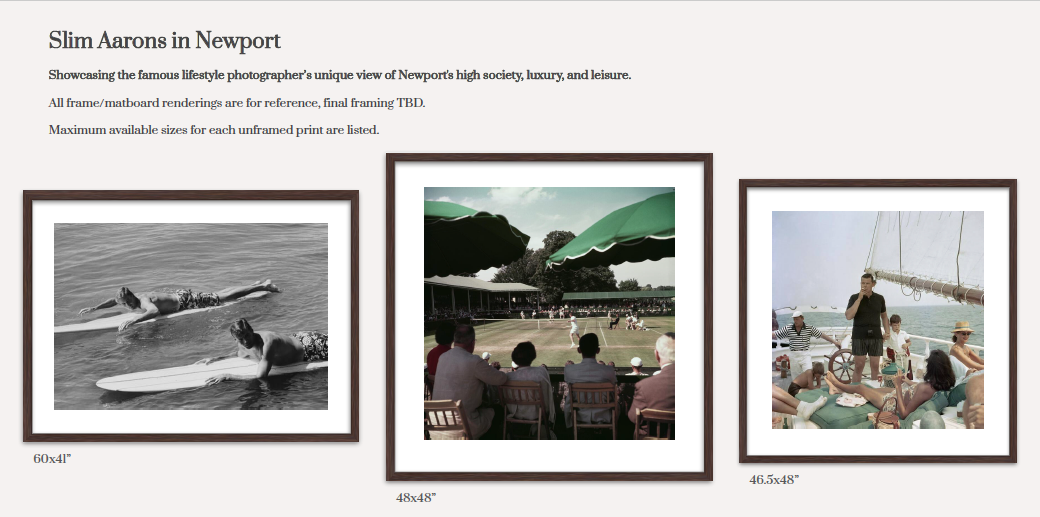
Over five decades of magazine assignments, Aarons captured Newport's Jet Set in his signature style : sun-soaked, effortless, aspirational, cementing the city's image as America's premier coastal playground.
From Vibe to Reality
Then comes the less glamorous, and equally important, part of the process: turning the visual idea into something that can actually exist.
There is a critical transition between initial visual inspiration and aesthetic alignment and the technical realities of execution.
A beautiful concept still has to answer very practical questions.
If the artwork is a textile, does it need an acrylic box around it? How will it be mounted? What are the sightlines? What size should it be? How does the frame interact with the architecture? Is the artwork durable enough for a hospitality environment? What is the budget? Can the artist provide a sufficiently high-resolution file? How many reproductions are needed? How will everything be fabricated, shipped, and installed?
These considerations don't make the creative process less exciting. They are what allow the creative idea to survive.
This is particularly important in hospitality, where an art program might involve dozens or hundreds of individual works. Something that works beautifully as a single image on a moodboard may behave very differently when it needs to be reproduced across 400 guestrooms.
The job is to hold onto the original idea while adapting it to the realities of the project.
Creating Something That Belongs
Ultimately, avoiding a “Pinterest clone” interior isn't about trying to create something completely unprecedented. At this point, almost every aesthetic has been seen, saved, reposted, and reinterpreted.
The goal is something more specific.
To create a space that could only have been made for that particular place, client, story, and moment.
Art can play an important role in getting there. When it is thoughtfully curated, it doesn't simply match the furniture or fill the walls. It gives the interior another point of view.
It takes the initial inspiration and pushes it somewhere more personal, more specific, and ultimately more memorable..
Local Language curated and created artwork throughout the Guest Rooms and Public Areas at Hotel Viking.